
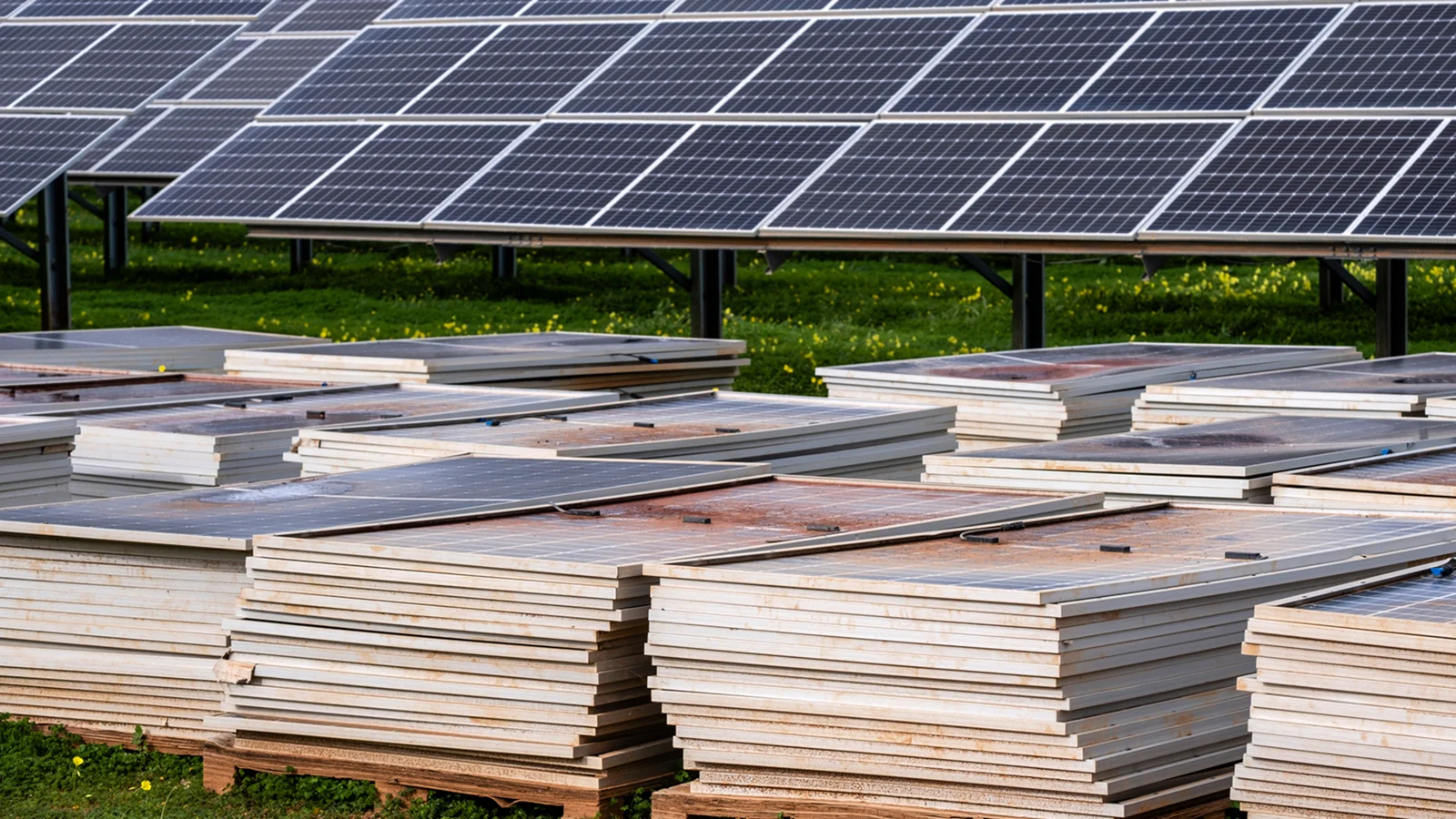
The solar industry’s future looks bright, especially as we tackle the waste challenge together. Each recycled panel today helps build a truly circular clean energy economy for tomorrow.
Make sure to check proper certifications when picking a recycler. Ask them about recovery rates, material tracking systems, and downstream processing. These questions protect you from liability and support eco-friendly practices.
Recycling solar panels delivers on clean energy’s promise. Solar power cuts carbon emissions while operating. Good end-of-life handling extends these environmental benefits throughout the product’s life.
How to Recycle Solar Panels: Methods and Processes
Recycling solar panels involves much more than simply discarding them. There are three primary approaches, mechanical, thermal, and chemical recycling, each designed to recover value from different materials and panel types.
Working with experienced providers like Solar Recycling helps ensure the right method is used, turning retired panels into reusable resources instead of unnecessary waste.
Mechanical Recycling Explained
Mechanical recycling methods are the foundations of most solar panel recycling processes.
This approach breaks down panels into their parts through several steps. Recyclers first remove the aluminum frame and junction box by hand. The remaining panel then goes through crushing or shredding to separate materials by size and density.
Simple mechanical recycling recovers the aluminum frame while grinding the rest into a mixture called “glass cullet,” which becomes new building material. Advanced mechanical approaches can recover more than 80% of materials.
“Think of mechanical recycling as taking apart a sandwich,” explains David Chen, a recycling facility manager. “First you remove the bread (aluminum frame), then separate the lettuce (glass) from the meat (silicon cells).”
Mechanical recycling shines because it’s environmentally friendly (no harmful chemicals), affordable, and quick at processing large volumes. Yet this method has limits, it struggles to cleanly separate the tiny silver wires and semiconductor materials bound together in the cells.
Chemical And Thermal Separation Techniques
Recyclers use chemical and thermal processes to recover more materials. Thermal recycling uses controlled heat (typically 300-650°C) to break down the adhesives that hold panel layers together. Heat treatment removes the stubborn ethylene vinyl acetate (EVA) encapsulant that mechanical methods can’t separate well.
Chemical recycling takes a more precise approach. This method uses specialized solutions to dissolve and extract specific materials. To cite an instance, some processes use acids to isolate silver, copper, and semiconductor materials. The French startup ROSI Solar uses a chemical process to extract tiny silver wires from silicon cells.
One chemical approach delivers impressive results: “Over 98.9% of the silver contained in PV modules can be recovered” through combined pyrolysis and chemical leaching. These advanced techniques can recover up to 95% of a panel’s materials, but they need specialized facilities.
Both methods come with challenges. Thermal processes use lots of energy and may release emissions, while chemical approaches need careful handling of potentially dangerous substances.
What Materials Can Be Recovered
A solar panel’s components hold recycling value. Today’s technologies can recover Solar Recycling solar panels up to 95% of the value in decommissioned panels.
The primary recoverable materials include:
- Glass (75% of panel weight): 90-95% recovery rate
- Aluminum frame: 90-95% recovery rate
- Silicon: 80-85% recovery rate
- Copper and silver: Over 90% recovery rate due to their value
- Plastics/polymers: 70-80% recovery rate
“We’re mining above ground now,” says recycling expert Sarah Johnson. “A ton of old panels contains more silver than a ton of ore from traditional mining.”
Solar recycling keeps getting better. New techniques like sieving technology now separate solar cells and glass with 96.3% efficiency, which is a big deal as it means that conventional methods’ 31.7% separation rate.
The ideal recycling systems will soon combine all three approaches, mechanical, thermal, and chemical, to maximize material recovery.
Challenges in the Solar Panel Recycling Process
The global solar panel recycling rate stands at a mere 10%. Several major obstacles prevent the widespread adoption of recycling practices.
High Costs Vs Landfill Disposal
The numbers tell a stark story about solar panel recycling economics. Recycling one panel costs $20-$30 USD, while dumping it in a landfill costs just $1-$2 USD. This huge price gap makes landfilling an obvious choice for many businesses.
Solar farm operator James Martinez speaks candidly: “I want to do the right thing, but the math doesn’t work. Paying ten times more for recycling is tough to justify to shareholders.”
This reality affects even countries with recycling laws. European recycling costs run €100-€200 per ton, yet landfilling remains cheaper. The financial hurdle keeps recycling rates around 10% in both the United States and the European Union.
Lack Of Standardization And Infrastructure
The recycling landscape looks like the Wild West with few consistent rules and limited specialized facilities. Many regions have no rules about solar panel disposal. All but one of these U.S. states – Washington, New Jersey, North Carolina, and California – lack laws about solar module recycling.
California leads in environmental policies, yet it had just one recycling plant accepting solar panels in 2022. Europe’s recycling capacity of 40,000 tons handles less than a third of the current panel waste, a capacity gap that will grow.
Processing facilities need at least 4,000 tons of waste yearly to stay profitable. Different policies make compliance harder. California requires laboratories to verify panels as non-hazardous, a process that costs $1,500 USD.
Material Separation Difficulties
Technical hurdles in solar panel recycling remain daunting. Panels resist being taken apart since manufacturers design them to last decades in harsh weather.
EVA adhesive causes the biggest headache. This ethylene-vinyl acetate compound needs temperatures above 400°C to break down. Clean separation becomes nearly impossible and often leaves contaminated materials.
Recycling engineer Samantha Chen explains: “Separating a solar panel is like trying to unbake a cake. Once those ingredients are combined, getting them back to their original state is tremendously difficult.”
The numbers reflect these challenges. Standard recycling recovers 85% of a panel’s weight, but only 34% of recovered materials make money. Valuable components like silicon and silver make up just 0.1% of panel mass and stay stuck due to strong adhesion.
These obstacles explain why many panels end up in landfills despite their value. The solar panel recycling industry faces tough challenges that need solutions.
Choosing the Right Recycling Partner or Program
Choosing a qualified solar panel recycler is a crucial part of responsible decommissioning. The market has many options, and knowing the difference between reputable processors and questionable ones will save you headaches and minimize environmental effects.
What To Look For In A Recycler
You need to check several important qualifications when finding the right recycling partner:
- No landfill policy – Verify the facility doesn’t send materials to landfills
- Downstream tracking – GPS-enabled tracking shows where your panels end up
- Proper insurance – Look for adequate pollution insurance.
- Processing capacity – Confirm they handle at least 75% of their previous year’s materials
- Closure plan – Ask about documented procedures if the facility closes
“I called five recyclers before finding one with proper documentation,” shares Sara Kim, solar farm manager. “The right questions upfront prevented major headaches later.”
Overview Of Services Like SOLARCYCLE
SOLARCYCLE stands out among recycling providers. Their specialized processes extract up to 95% of value from decommissioned panels. This is a big deal as it means that they exceed the industry standard of below 50%.
They handle silicon, cadmium-telluride, and First Solar panels through EPA-approved methods. On top of that, they recycle inverters, transformers, and cables, diverting 100% from landfills.
Over the last several years, SOLARCYCLE has partnered with over 70 major U.S. energy companies. Their new Georgia facility will recycle approximately 25-30% of all retired panels in America by 2030.
Certifications And Documentation To Request
R2v3 certification from Sustainable Electronics Recycling International (SERI) is essential.
This certification proves:
- Environmental compliance standards
- Worker health protections
- Secure material tracking
- Documented recycling outcomes
R2 certification becomes mandatory for all recyclers handling solar panels starting January 2027. You should ask for Asset Transfer Forms that detail pickup information and material tracking. Make sure to get Certificates of Recycling as proof of proper disposal.
“Are you R2v3 certified? Can you provide documentation?” These questions should start every conversation with potential recyclers. A red flag should go up if they can’t answer clearly.
SEIA’s National PV Recycling Program members are great partners for ongoing projects. They connect you with qualified providers who meet strict industry standards.
Conclusion:
Solar panel recycling economics keep getting better. Recycling costs more than dumping in landfills right now, but this gap should narrow as technology improves and regulations get stricter.
The value of materials like silver, aluminum, copper, and silicon helps offset processing costs. You’ll need to do some homework to find the right solution for your used solar panels. The first step is to think about whether they might work for resale or repurposing.
Many panels that have lost some efficiency still work well in other uses. Panels that have reached the end of their life can be handled by qualified recyclers like Solar Recycling.