
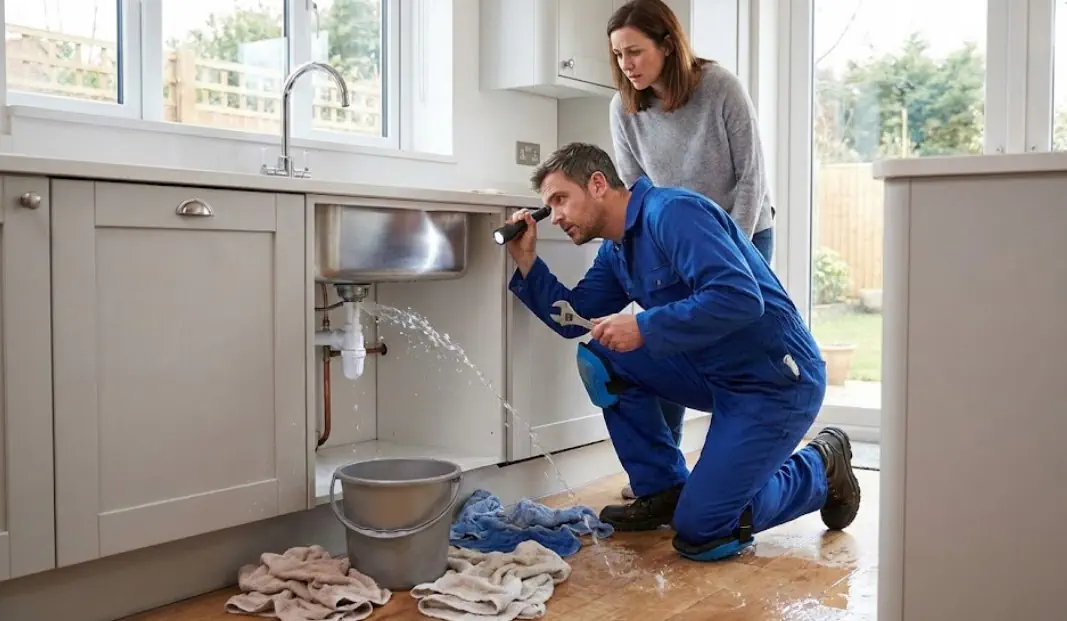
Unexpected plumbing problems can cause significant headaches and expensive repairs for homeowners. By taking simple proactive steps to maintain your plumbing system, you can protect your home from many common and costly disasters. Understanding effective strategies and being prepared is the best way to keep your property safe. For homeowners seeking professional assistance, finding a full service plumbing repair in Utah can ensure that even challenging issues are handled quickly and correctly. Adopting a routine approach to plumbing maintenance can significantly reduce the likelihood of emergencies and help you save money in the long run.
Not all plumbing problems are immediately noticeable. Sometimes, slow leaks or small blockages go undetected until major damage is already done. Regular inspections, timely replacements of worn-out components, and a watchful eye for warning signs can play a pivotal role in preventing a plumbing catastrophe. Educating everyone in your household about these risks and solutions further strengthens your first line of defense. With a mix of do-it-yourself vigilance and licensed professional support, you can create a more reliable plumbing system that lasts for years.
Know Your Main Water Shutoff Valve
In a plumbing emergency, finding and shutting off your main water valve quickly can make the difference between a minor inconvenience and a major disaster. Make sure every adult in your household knows where the shutoff valve is located. Practice turning it on and off so you’re ready in a real emergency, and check periodically to ensure it’s in good working order.
Regularly Inspect for Leaks
Even small leaks can lead to mold growth, wood rot, and increased utility bills if left undetected. Inspect visible pipes under sinks and around appliances regularly for dampness, rust, or pooling water. Look out for water stains or bubbling paint on ceilings and walls, as these may be early signs of hidden leaks. Addressing these minor issues quickly is far easier and less expensive than dealing with advanced water damage.
Maintain Washing Machine Hoses
Washing machine hoses often wear out over time and can burst unexpectedly, causing extensive flooding within minutes. Check hoses at least twice a year for bulging, cracking, or loose connections. Upgrading from standard rubber hoses to braided stainless steel hoses greatly reduces the risk of failure and is a recommended investment for long-term peace of mind.
Properly Dispose of Grease
One of the leading causes of kitchen drain clogs is pouring grease down the drain. Once poured, grease can solidify inside pipes, eventually forming stubborn blockages that require professional removal. Instead, collect cooking grease in a heat-resistant container and dispose of it in the trash when cool. This essential habit helps protect both your home’s plumbing and municipal sewer systems. The EPA’s guide to grease disposal provides further advice and resources for proper kitchen waste management.
Protect Pipes from Freezing
Water expands as it freezes, which can crack or burst pipes in cold climates. Insulate pipes in unheated areas such as attics, basements, crawl spaces, and garages. On frigid nights, allow faucets to trickle so water continues to move through the system. Open cabinet doors under sinks to circulate warm air around pipes, and maintain a steady temperature inside your home, especially if you’re traveling. For more in-depth preventative measures, visit this CBS News article on preventing frozen pipes.
Water Heater Maintenance
Water heaters are prone to sediment buildup, corrosion, and, in rare cases, dangerous pressure increases. Set the thermostat between 120 and 140 degrees Fahrenheit for effective, safe operation. Inspect the base of the heater for moisture or corrosion, and flush the tank yearly to remove minerals and sediment. Routine water heater checks prolong its lifespan and help avoid potential leaks or failures that can cause significant home damage.
Toilet Care
Silent leaks in toilets can waste hundreds of gallons of water each year. To identify leaks, add a few drops of food coloring to the tank and wait if color appears in the bowl, you have a leak to fix. Only flush toilet paper and appropriate waste to prevent clogs and backups. Non-flushable items like wipes, cotton balls, and feminine hygiene products belong in the trash, not the toilet.
Install Water Detection Devices
Technology can be your ally in plumbing protection. Install water detection devices under sinks, behind toilets, near water heaters, and in basements or laundry rooms. These gadgets offer early alerts, and some even connect to smartphones or automatically shut off the water supply.
By embracing regular plumbing checks, correct disposal practices, and new technologies, you gain valuable peace of mind and help protect your home investment. Keep these preventive tips top of mind to reduce the risk of a plumbing emergency and maintain a functional, cost-efficient household for years to come.