
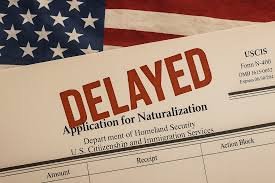
Becoming a U.S. citizen is an exciting goal for many immigrants, but it requires careful attention to eligibility and legal compliance. One of the most important requirements is demonstrating “Good Moral Character” (GMC) for the statutory period, usually five years for most applicants or three years for those married to U.S. citizens. While applicants often focus on completing paperwork and meeting residency requirements, a single legal misstep, such as a DUI, can drastically delay this timeline, potentially resetting the clock by years.
Understanding how legal issues intersect with immigration is critical to protecting your naturalization path. Small mistakes can lead to delays, complications, and even the denial of citizenship if not handled correctly.
What Is a Good Moral Character?
Good Moral Character is not merely a checkbox in the naturalization process; it reflects the applicant’s conduct and behavior during the statutory period. USCIS evaluates factors such as criminal history, honesty in paperwork, and adherence to laws. Even minor infractions, like certain traffic violations, can weigh on the decision if they indicate a pattern of irresponsible behavior.
Key points to keep in mind:
- Criminal convictions matter: Certain offenses, including DUI, drug-related charges, and violent crimes, are considered serious moral lapses.
- Frequency matters: Multiple offenses, even if minor individually, can suggest a negative pattern.
- Legal outcomes influence eligibility: Sentences, probation, and fines may not fully mitigate the effect on your immigration record.
Because of these consequences, anyone facing charges should seek representation immediately. A qualified attorney specializing in DUI defense in Northern Virginia can guide you through the legal system and minimize the long-term impact of a conviction, keeping your naturalization timeline on track.
How a DUI Can Affect Your Citizenship Timeline
A DUI conviction can have broader implications than many applicants realize. Beyond fines, license suspensions, or community service, immigration authorities may consider the conviction when assessing moral character. Some applicants mistakenly assume that first-time offenses won’t count, but even a single DUI can:
- Reset the statutory period for demonstrating Good Moral Character.
- Trigger additional scrutiny of your application.
- Complicate future travel or employment opportunities.
- This leads to the denial or postponement of citizenship.
The key takeaway is that proactive legal intervention can prevent these consequences. Hiring experienced counsel early increases the likelihood of minimizing fines, avoiding jail time, or pursuing alternatives that demonstrate accountability, factors that can help preserve your naturalization eligibility.
Common Mistakes That Delay Naturalization
Even minor missteps can significantly delay the citizenship process. Many applicants unintentionally create roadblocks due to misunderstanding or underestimating the consequences of legal issues. Common pitfalls include:
- Pleading guilty without consulting an attorney: Entering a plea without understanding its immigration implications can have serious consequences.
- Failing to report charges or convictions: Omitting information on USCIS forms can be seen as dishonesty, which undermines your moral character evaluation.
- Assuming minor offenses don’t count: Even low-level offenses, if repeated, can affect your application.
- Waiting too long to seek legal advice: Delaying for legal advice reduces the options available for mitigating consequences.
Avoiding these mistakes starts with awareness. Understanding how each legal step impacts your naturalization journey is crucial.
Practical Steps to Protect Your Timeline
Taking proactive measures can help preserve your path to citizenship. Here are concrete steps to consider:
- Consult a qualified attorney immediately.
- Legal counsel with experience in criminal and immigration law can evaluate your situation, identify risks, and suggest strategies that minimize long-term consequences.
- Maintain clean conduct moving forward.
- Avoid additional offenses or legal trouble. Demonstrating responsible behavior reinforces your moral character.
- Document rehabilitation efforts
- Completing community service, alcohol or DUI education programs, and adhering to court requirements demonstrates accountability and can support your case.
- Keep detailed records
- Maintain all court documents, probation reports, and proof of completed programs. These can be critical when USCIS evaluates your moral character.
- Plan for application timing.
- Delays caused by legal issues can push back your naturalization eligibility. Understanding the statutory period and planning your application accordingly reduces unnecessary setbacks.
The Role of Immigration Guidance
Even after resolving a legal matter, the journey toward citizenship is not complete. Certain convictions can affect eligibility, travel, employment, and long-term residency. Consulting with an immigration attorney ensures you understand the broader implications of your record.
If you are navigating the immigration process, professional guidance can help you:
- Accurately assess the impact of past offenses on your eligibility.
- Understand statutory periods and calculate the correct timeline for applying.
- Prepare documentation to demonstrate rehabilitation and responsible behavior.
- Avoid common pitfalls that can trigger additional delays.
Legal guidance in both the criminal and immigration contexts helps align your defense strategy with your naturalization goals. Proactive planning reduces stress and uncertainty while protecting the outcome of your application.
Key Takeaways
Protecting your naturalization timeline requires vigilance, knowledge, and strategic action. Keep in mind:
- Legal issues, even minor ones, can reset the Good Moral Character clock.
- Early legal intervention is critical.
- Demonstrating accountability through rehabilitation and compliance strengthens your application.
- Immigration guidance ensures you understand the impact of legal actions and maintain eligibility.
By combining proactive legal representation with careful planning. Small mistakes today don’t have to become long-term obstacles tomorrow.