
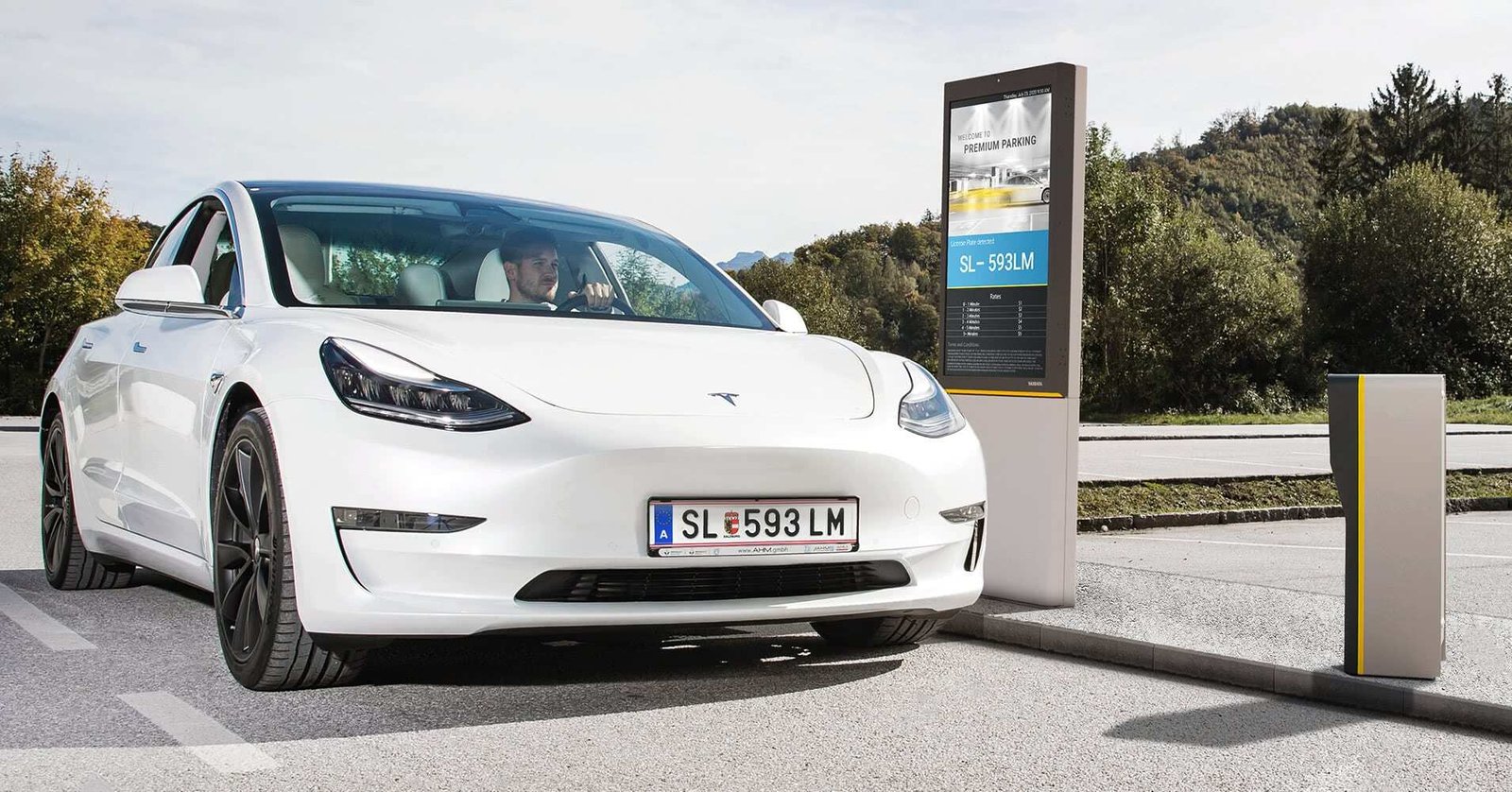
Key Takeaways
- LPR systems automate the entry and exit process, reducing delays and improving traffic flow.
- LPR enhances security by maintaining accurate, real-time logs of all vehicle movements.
- The technology enables integrated, contactless payment and account management.
- LPR-derived data supports dynamic pricing, space optimization, and efficient parking enforcement.
- Responsible data management is essential to address privacy and security concerns associated with LPR deployment.
License plate recognition (LPR) technology is reshaping parking management, offering cutting-edge solutions that improve efficiency, safety, and convenience for both operators and drivers. By leveraging machine vision and sophisticated software, LPR systems automate identification and tracking, providing an integrated solution to many parking management challenges. For those exploring automation, robust license plate recognition software for parking management automation offers substantial benefits over traditional systems and manual processes.
Today, parking operators are embracing LPR to boost security, streamline workflows, and elevate the user experience. The rapid ascent of this technology is being fueled by its seamless integration with existing parking infrastructure and the growing appetite for contactless services. With a commitment to innovation, property owners are discovering how LPR not only meets evolving demands but also unlocks new revenue opportunities.
Automating Vehicle Identification
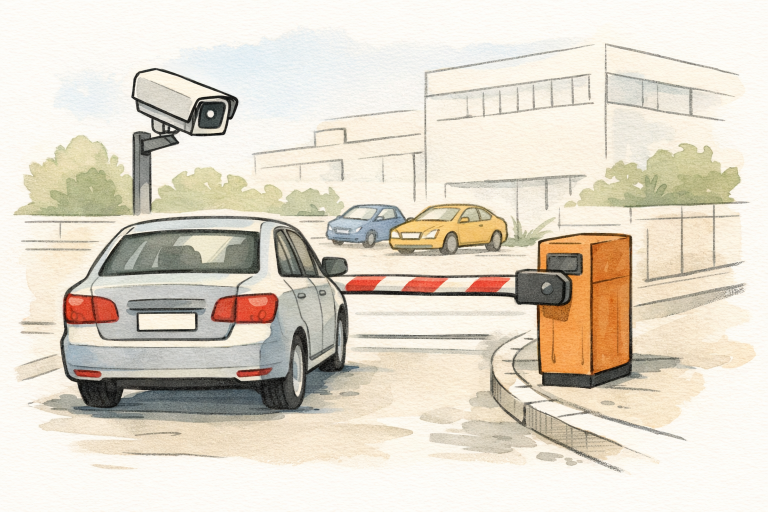
Traditionally, parking systems have depended on paper permits, key cards, or manual checks to control access. Such approaches are vulnerable to human error, fraud, and bottlenecks. LPR technology dramatically changes this dynamic by using cameras and smart algorithms to instantly capture, read, and authenticate license plates. This streamlines the entry process and virtually eliminates the risk of unauthorized access. Facilities using LPR systems report faster throughput during peak periods, as staff intervention is minimized and drivers spend less time waiting at barriers or pay stations.
Enhancing Security and Compliance
Security remains a cornerstone of any parking operation. LPR systems serve as an effective deterrent against car theft, unauthorized vehicle entry, and vandalism. By keeping comprehensive, timestamped records of every vehicle entering or exiting a facility, LPR provides authorities and parking operators with a powerful investigative tool. Cities such as Spokane, Washington, have leveraged LPR to improve parking enforcement efficiency and reduce loopholes exploited by offenders. Notably, LPR systems also support compliance with local ordinances and can be configured to alert operators in real time when suspicious or blocked plates are detected, according to BBC News.
Facilitating Seamless Payments and Customer Convenience
Payment friction is a common source of driver frustration in parking environments. LPR technology addresses this challenge by enabling a truly contactless parking experience. Instead of stopping to take tickets or fumbling for cash, drivers benefit from a system that charges their account automatically based on entry and exit times. Integration with popular payment platforms and mobile applications further simplifies the process, making cashless, card-free transactions the norm. These advances align with changing consumer preferences for touchless, digital-first services, which have become particularly important since the COVID-19 pandemic. Parking operators also see cost reductions as they phase out labor-intensive cash-handling and paper-ticketing operations.
Optimizing Space Utilization and Revenue
LPR systems are uniquely positioned to collect actionable data on parking patterns, occupancy rates, and peak usage times. By analyzing this information, operators can implement demand-based pricing (also known as dynamic pricing), market-specific promotions, and even real-time occupancy updates for customers. Facilities that harness these strategies have documented significant revenue gains, frequently reporting increases of 20-30 percent when paired with smart pricing optimization initiatives. The insights from LPR data empower operators to maximize utilization and make data-driven decisions about future investments and expansion. For more insights into technology-driven improvements in parking management, visit Forbes Tech Council.
Addressing Privacy and Data Security
While the advantages of LPR systems are clear, they also raise privacy concerns. The large-scale collection and long-term storage of license plate information pose a risk of data misuse if not properly protected. Industry best practices require strong encryption, limited data retention policies, and transparency with users about how their data will be used. Complying with privacy regulations, such as the General Data Protection Regulation (GDPR) and similar local laws, is an essential part of responsible LPR deployment. Successful parking management teams strike a balance between leveraging technology for efficiency and safeguarding the rights of individuals whose data is being collected.
Real-World Success Stories
Across North America and globally, municipalities and private operators are rolling out LPR-driven solutions in innovative ways. New York City’s shift to Pay-by-Plate parking is a notable example, enabling ticketless transactions, reducing operational costs, and supporting greater environmental sustainability by eliminating printed receipts. Similar successes can be observed in Canadian and European cities, where LPR adoption has led to reduced congestion and improved compliance with parking regulations. This real-world evidence underscores LPR’s scalability and versatility across a wide range of operational contexts, from airports and shopping malls to urban street parking zones.
The Future of Parking Management
As urban centers become more densely populated and the demand for parking intensifies, LPR technology will play an even greater role in the development of smart city infrastructure. Innovations on the horizon include integration with Internet of Things (IoT) devices, predictive analytics for real-time space availability, and advanced reporting capabilities for policy makers. By prioritizing security and privacy alongside automation, the next generation of LPR systems will help cities meet mobility goals, reduce congestion, and provide a frictionless parking experience for all users.
In summary, license plate recognition technology is driving a paradigm shift in parking management. By automating identification, enhancing security, enabling seamless payments, and providing valuable data insights, LPR systems are transforming how facilities operate and how drivers interact with parking environments. As with all advanced technologies, thoughtful implementation and ongoing oversight are required to ensure benefits are delivered ethically and equitably.