
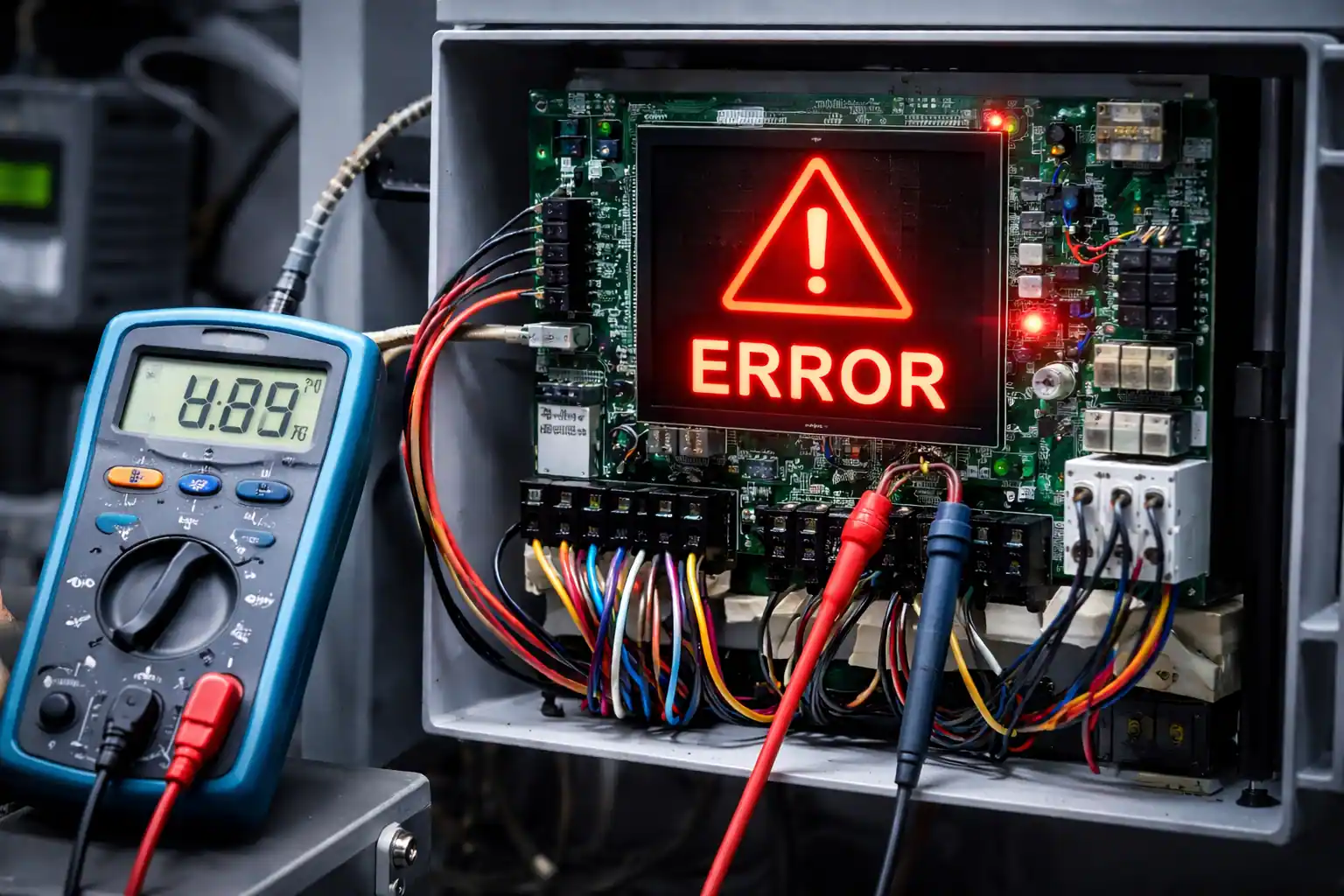
If you’ve ever seen a system alert with codes like E01, 101, or 505, you’re likely looking at HCS 411GITS error codes. These codes act as the system’s way of communicating problems directly to users or technicians. Instead of leaving you guessing why a system isn’t working, these codes give a clear indicator of what is wrong.
These error codes are commonly used in technical or industrial systems, where quick diagnostics are crucial. They can relate to hardware failures, power issues, network errors, or configuration problems. Knowing what these codes mean allows for faster troubleshooting and helps prevent minor issues from becoming bigger, costly problems.
Understanding the Structure of HCS 411GITS Error Codes
HCS 411GITS error codes usually come in numeric or alphanumeric forms. For example, codes like 101 or 202 are numeric, while codes like E03 or E07 include letters and numbers. Each format has a purpose: numeric codes often indicate general system or initialization errors, whereas alphanumeric codes may point to specific hardware or communication faults.
The codes are generated automatically whenever the system detects an issue. This might happen during startup, routine operation, or when an unexpected environmental factor affects the system. By understanding the structure, users and technicians can quickly pinpoint the source of the error and apply the correct fix.
Common HCS 411GITS Error Codes and What They Mean
Some HCS 411GITS error codes appear more frequently than others. Communication errors, for instance, are usually represented by codes like E01 or 101. These often indicate that the system isn’t able to communicate with a connected device or network properly. A loose cable or temporary network interruption can trigger these codes.
Power and hardware-related errors, like E03 or 505, often indicate voltage instability, faulty components, or overheating. These issues can be more serious because they might cause permanent damage if not addressed quickly. Having a reference table of common error codes and their meanings can be extremely useful:
| Error Code | Meaning | Typical Cause |
|---|---|---|
| E01 / 101 | Communication failure | Network issue, disconnected device |
| E03 / 505 | Power / hardware fault | Unstable power, component failure |
| E07 / 202 | Configuration mismatch | Incorrect settings or corrupted firmware |
Why HCS 411GITS Error Codes Occur
There are several reasons why these codes appear. Configuration errors are common, especially if settings were changed or updated incorrectly. A mismatch between system parameters and actual operation can trigger codes even if the hardware is perfectly fine.
Faulty components and connections are another frequent cause. Loose wires, damaged sensors, or failing modules can produce error codes to alert users. External factors like temperature, humidity, or power fluctuations can also generate codes, highlighting the system’s sensitivity to its environment.
Step-by-Step Troubleshooting of HCS 411GITS Error Codes
Troubleshooting starts with identifying the exact error code. This simple step ensures you understand the problem before attempting a fix. Once identified, checking hardware connections, including cables and sensors, is often the next step. Many errors result from loose or disconnected components.
Next, verify power and network stability. Power surges or interruptions can cause repeated error codes, even if the system is otherwise fine. Updating firmware and resetting configuration settings often resolves persistent errors. If these steps do not solve the problem, contacting support or a qualified technician is recommended to avoid worsening the issue.
Preventing HCS 411GITS Error Codes: Best Practices
Prevention is always better than fixing problems after they occur. Conducting regular system audits and keeping firmware updated is essential. These proactive measures ensure the system runs smoothly and minimizes unexpected error codes.
Maintaining a stable environment is also key. Ensure proper power supply, keep systems cool, and monitor physical conditions to prevent damage. Training users to recognize early signs of trouble and keeping error logs can also help prevent recurring issues and reduce downtime.
HCS 411GITS Error Codes FAQs
Can I fix these errors myself? Many errors, especially minor communication or configuration issues, can be resolved by checking connections, rebooting the system, or adjusting settings.
What happens if I ignore the codes? Ignoring codes can lead to bigger failures, including hardware damage or prolonged downtime. The system uses these codes as early warnings to prevent major issues.
How often should I check for errors? Routine monitoring is recommended. Daily checks for critical systems and weekly audits for less sensitive setups can prevent small issues from escalating.
Conclusion – Mastering HCS 411GITS Error Codes for Better System Reliability
Understanding HCS 411GITS error codes is essential for anyone who manages technical systems. These codes are not just numbers—they are a communication tool that helps maintain system health, avoid downtime, and reduce troubleshooting frustration.
By learning the meaning of common codes, applying step-by-step troubleshooting, and following best practices, you can ensure your systems operate efficiently and reliably. Keeping an eye on these codes allows both beginners and professionals to solve problems faster and maintain better control over complex systems.
Read More: adacanpm